

When to Use Chemical Etching in Renewables – A Strategic Manufacturing Guide
The operations and production landscape for renewable energy is advancing at an unprecedented pace. For Operations Directors and Production Managers tasked with delivering high-performance components without compromising on cost or speed, this presents a critical question: Are your manufacturing methods capable of keeping up?
Precision photochemical etching offers an answer. It is an advanced manufacturing process that enables the creation of complex, reliable parts required for energy transition, whether for a 50-unit prototype run or a 50,000-unit volume production order.
Understanding when to deploy chemical etching is crucial for optimising both product performance and manufacturing overheads. It outperforms traditional fabrication methods in several distinct scenarios.
When to Use Chemical Etching
When Complexity and Precision Are Crucial
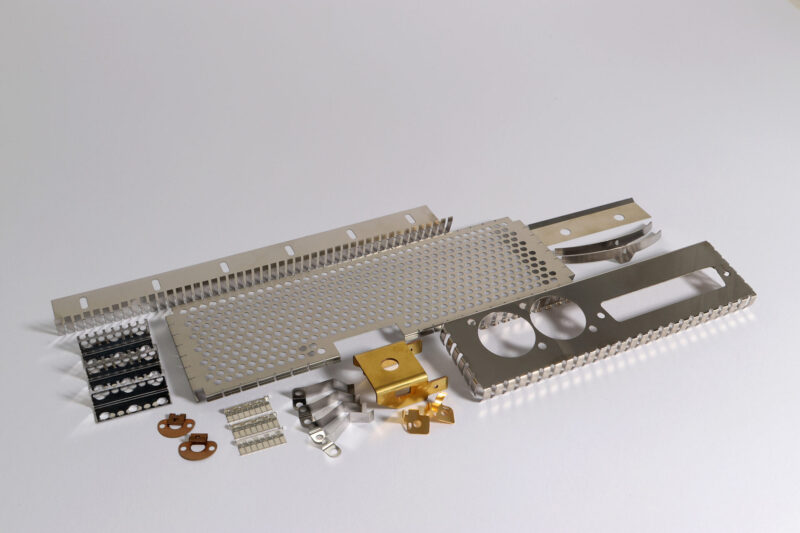
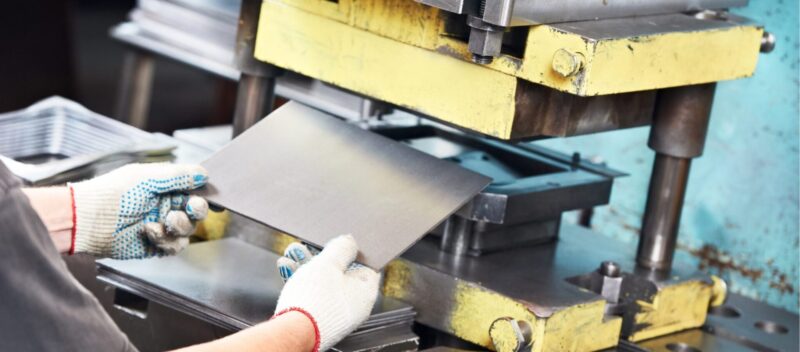
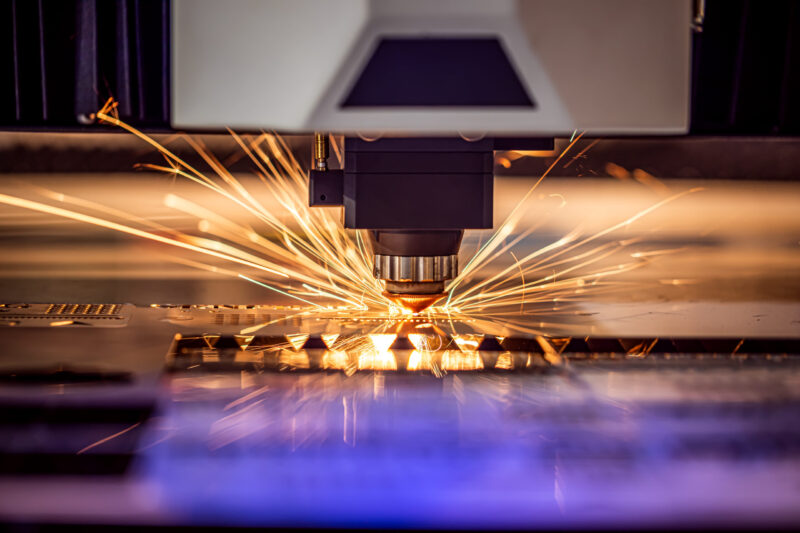
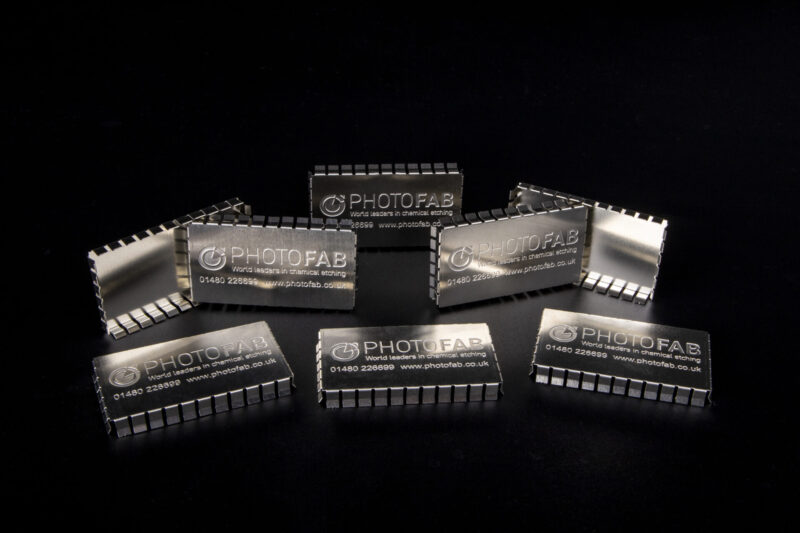
The geometry of components in fuel cells, heat exchangers and advanced filtration systems often defies the capabilities of stamping or laser cutting. Unlike stamping, which can deform materials and produce burrs, or laser cutting, which introduces heat-affected zones (HAZ), chemical etching produces burr-free, stress-free parts while maintaining the metal’s integrity. This is particularly vital for delicate applications like solar interconnects, where even microscopic burrs can damage silicon surfaces.
When Tooling Costs Are a Barrier to Entry
If you’re managing early-stage development or smaller batch runs, the high capital investment required for hard-stamping tools (moulds that often cost tens of thousands of pounds) is rarely justifiable. Chemical etching utilises digital photo-tooling derived directly from your CAD files. This eliminates tool wear and allows for design revisions at a negligible cost, enabling production managers to iterate and optimise designs within days rather than months.
When Scalability and Speed Dictate Success
Whether you are piloting a new green hydrogen component or scaling up to full commercial production, agility is key. Chemical etching seamlessly supports single-piece orders through high-volume production. At Photofab, we offer turnaround times as fast as 24 hours for flat components, ensuring that your supply chain remains responsive and your time-to-market is accelerated.
When Material Integrity Is A Must
Renewable energy systems, from wind turbines to electrolysers, operate in demanding environments. Stamping introduces micro-stresses that can lead to premature failure under thermal cycling, while laser and punching can create rough edges that trap contaminants. Etching ensures that alloys (including titanium and stainless steel) retain their inherent corrosion resistance, strength-to-weight ratio and low coefficient of thermal expansion, ensuring longevity in the field.
The Benefits of Chemical Etching for Energy Applications
Beyond the specific use cases, the process offers a suite of operational advantages that directly impact the bottom line for production and operations teams.
- Burr-Free and Stress-Free Precision – The process ensures that every component is free from micro-stresses and burrs, delivering flat, consistent parts that reduce assembly failures and ensure perfect sealing in fuel cell stacks or heat exchangers.
- Unrestricted Design Freedom – You can design intricate flow field channels, complex meshes and fine feature sizes down to 0.025mm without incurring additional tooling costs. This allows engineers to maximise power density in fuel cells or optimise fluid dynamics in thermal management systems.
- Accelerated Prototyping and R&D – Digital tooling means that if the flow plate design needs a modification after initial testing, a new photo-tool can be generated in hours, enabling a new batch of parts to be shipped within a week, not months.
- Broad Material Versatility – From corrosion-resistant stainless steel for offshore wind to highly conductive copper for battery busbars and lightweight aluminium for aerospace heat exchangers, etching processes a vast range of metals without altering their core properties.
- Sustainability in Manufacturing – For an industry focused on a greener future, the process itself is environmentally sound. It is a clean manufacturing method with a low carbon footprint and minimal waste, aligning with the core values of the renewable sector.
Critical Applications in Green Energy
Photo chemical etching is already the quiet enabler behind some of the most advanced green technologies. It is a crucial step in the supply chain for:
- Hydrogen Economy (Fuel Cells & Electrolysers) – Metallic bipolar plates are the heart of hydrogen fuel cells and electrolysers. Etching enables the production of ultra-thin plates (50 microns or more) with complex, high-definition flow-field channels. These channels are essential for efficiently distributing hydrogen and oxygen, managing water and conducting current, directly influencing the stack’s power density and efficiency.
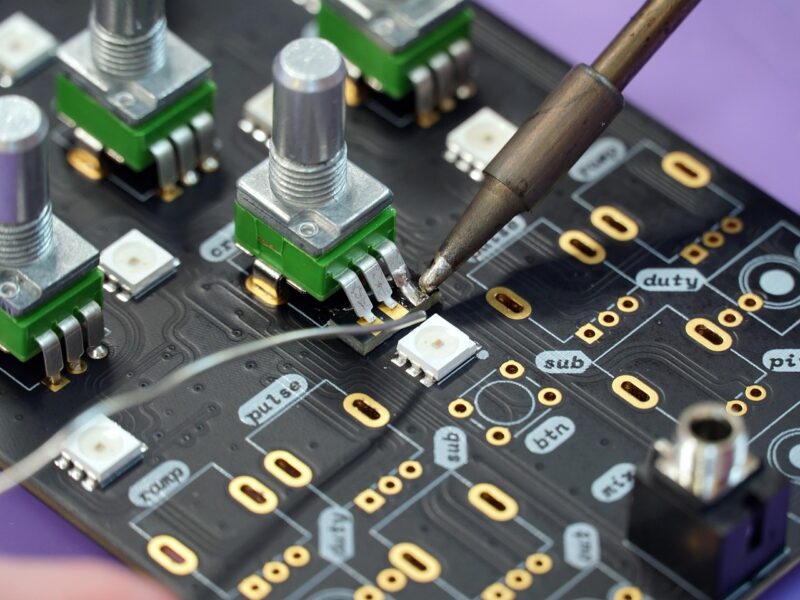
- Solar Photovoltaics (PV) – In solar panels, etching produces precision interconnects, busbars and ribbon contacts that collect and transfer electrical current. The burr-free nature of etched parts ensures reliable soldering to delicate photovoltaic cells, while the ability to create complex patterns minimises shadowing and maximises the active surface area for electricity generation.
- Thermal Management & Heat Exchangers – Etched plates are used to create compact, high-efficiency heat exchangers for managing thermal loads in EV batteries, power electronics and even aircraft engines. The process allows for the creation of precise, labyrinthine cooling channels that maximise surface area for heat dissipation.
- Precision Filtration & Fluid Control – Etched meshes, filters and screens with exacting aperture sizes are used in water electrolysis and in various fluid-handling systems within renewable energy plants. These components require absolute consistency to prevent contamination and ensure proper flow rates.
- Wind Energy Components – While often overlooked, precision-etched parts such as shims, spacers and electrical contacts are vital to the reliable operation and longevity of wind turbine systems.
Why A Specialist Partnership Matters
In a sector defined by stringent regulations and the need for absolute reliability, your choice of manufacturing partner is as critical as the manufacturing method itself. A partnership with Photofab guarantees quality, compliance and supply chain resilience.
Fully Managed, Traceable and Certified Supply Chain
At Photofab, we manage the entire process in-house, ensuring full traceability of every component from raw material to finished part. This is underpinned by a comprehensive suite of accreditations including ISO 9001 (Quality Management), ISO 14001 (Environmental Management) and the rigorous aerospace standard SC21, providing you with the confidence required in the highly regulated energy sector.
Scalability Without Compromise
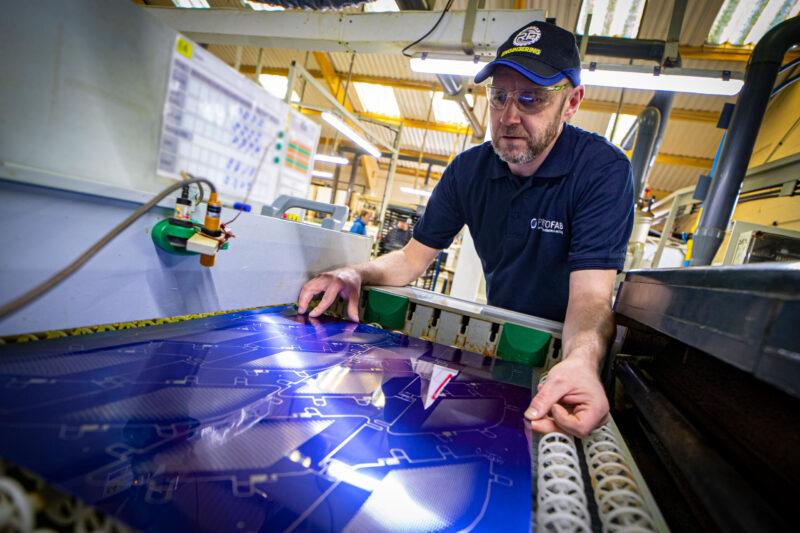
Whether you require specialist parts for early runs or are ready to transition to volume production, Photofab offers a seamless path. For exceptionally high-volume requirements, our managed service is fully backed by our UK facilities. Through ongoing investment in both technology and personnel, we have implemented the latest automation advancements across our processes. This commitment has enabled us to refine every production stage, ensuring the highest standards and the shortest possible lead times. Key innovations include digital tooling, which allows for quick, easy specification changes and the creation of multi-component designs on a single sheet, as well as our multi-sided, burr-free metal etching and automated stripping line.
A Partner with Proven Cross-Sector Expertise
With over five decades of experience since 1968, Photofab has honed its precision etching capabilities across the world’s most demanding industries, including aerospace, medical and automotive. This cross-sector expertise means we understand exactly what it takes to deliver components that perform reliably in mission-critical environments where failure is not an option.
By integrating Photofab into your manufacturing strategy, you gain a partner equipped to reduce your costs, improve lead times and deliver the exacting standards required to power the future of energy.
Ready to discuss your next project? Contact our dedicated account managers today to discover how Photofab’s precision chemical etching can give your renewable energy application the competitive edge it demands.
Talk to us about photochemical etching